Porta Potty Rental in Seattle, WA
Most vendors quote the Oregon standard on Washington jobs. Washington L&I requires more units per crew, and the difference shows up on inspection day. RHC quotes against the actual Washington table, flags SDOT permit requirements, and confirms every booking with a hard delivery window.
Do you need a permit to place a portable toilet in Seattle?
The answer depends on where the unit is going and what your event involves. Here is the full breakdown for private property, public right-of-way placements, Seattle Parks events, and food service requirements.
Unit on private property: no permit required. A portable toilet placed entirely on your own job site, driveway, or private lot does not require a standalone city permit. Most residential remodels and commercial construction sites with private staging areas fall here. Washington L&I sanitation standards under WAC 296-155-140 still apply on any active construction site regardless of permit status.
Unit in a public parking lane or sidewalk: SDOT Street Use Permit required. Any portable toilet placed in a public parking lane or sidewalk requires a permit from the Seattle Department of Transportation. SDOT classifies portable toilet placements under its ROW Maintenance – Simple Review category, the same classification as dumpsters and storage containers. Apply through the Seattle Services Portal under "Permits – Street Use." Processing takes 3 to 5 business days. Fees include an hourly plan review charge plus an Occupation/Use Fee based on the square footage of public space blocked multiplied by rental duration. If your placement is in a metered parking zone in Downtown Seattle or Capitol Hill, SDOT adds a Lost Paid Parking fee to the permit cost. Note your placement location on the quote form and RHC will flag whether a permit applies before delivery day.
Events on Seattle Parks property: Special Event Permit required. Any event at a City of Seattle park, including Gas Works Park, Cal Anderson Park, or Seattle Center grounds, requires a Special Event Permit from the Seattle Special Events Committee. Sanitation plans, unit count, and placement are reviewed as part of the application. The committee requires a minimum of 5% ADA-accessible units at all permitted events, with a minimum of one ADA unit regardless of total count. Submit your event location on the quote form and RHC will flag what applies before you apply.
Seattle All-Gender law (SMC 14.07.010): applies to all event units. Under Seattle Municipal Code 14.07.010, all single-occupant restrooms at public events and places of public accommodation must be designated all-gender. Units with traditional "Men" and "Women" signage are not compliant. Enforcement is handled by the Seattle Office for Civil Rights. Event planners who book gendered units are exposing their organization to an enforcement action. RHC delivers gender-neutral units as standard. Market-standard portable units ship with universal iconography, no special order required. This applies to your entire unit order.
Events with food service: King County heated handwashing required. Under King County Board of Health guidelines enforcing WAC 246-215, events with food trucks, catering booths, or any food service must provide handwashing sinks with hot and cold running water within 200 feet of food service areas. Standard hand sanitizer and cold-water dispensers do not satisfy this requirement. A full restroom trailer is not required. A heated standalone handwashing station paired with standard portable units satisfies the code. Note whether your event includes food service on the form and RHC will confirm the right configuration.
Washington waste hauler licensing: enforced by King County. In Washington, liquid waste hauling is regulated at the county level. For Seattle jobs, your pumping contractor must hold a King County Liquid Waste Hauler Permit issued by Public Health – Seattle & King County and be authorized by the King County Industrial Waste Program to discharge at county treatment facilities. This is how you verify your vendor is legally authorized to service your site before the first pump-out date.
Note your placement location and event details on the quote form. RHC will identify what permits and compliance requirements apply before delivery day.
Standard, ADA, and high-rise portable toilet units for Seattle construction sites and events.
Four unit types cover the full range of Seattle construction sites, downtown high-rises, outdoor events, and residential projects.
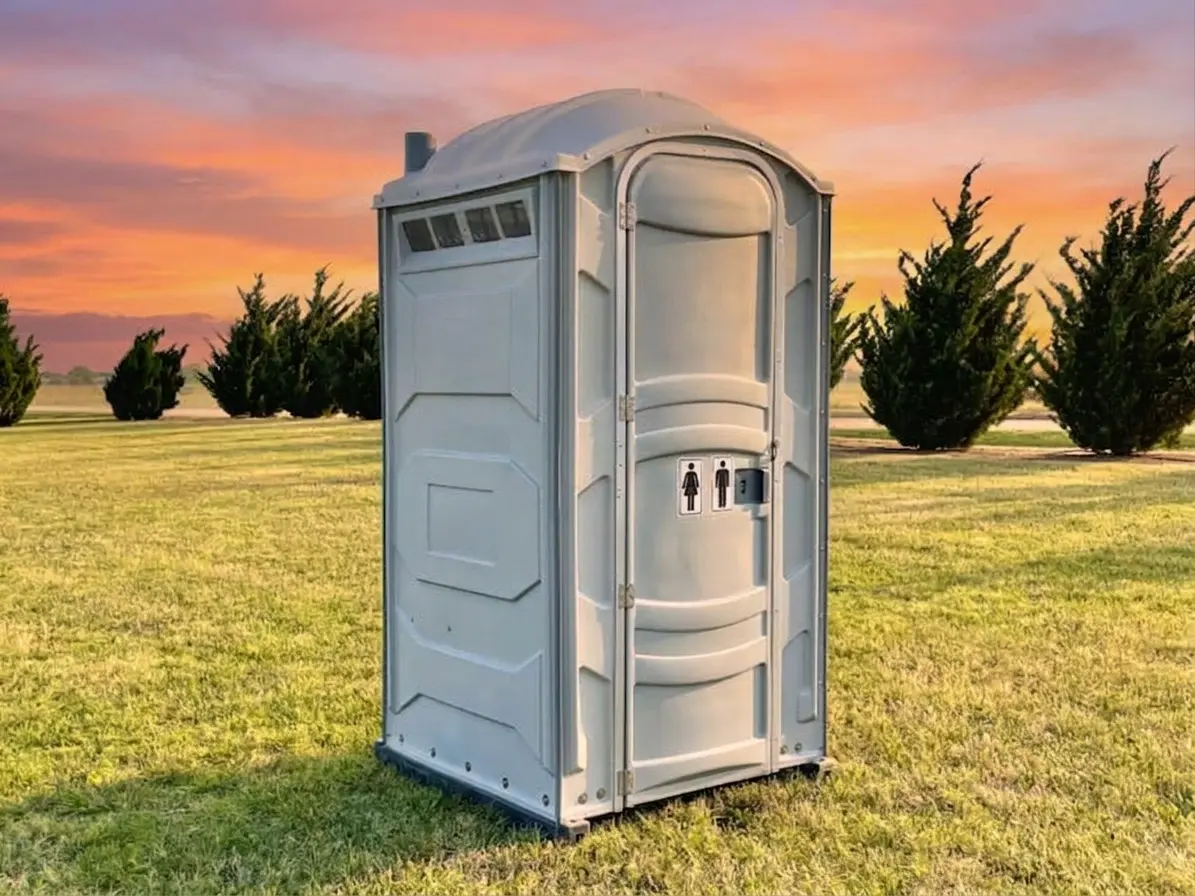
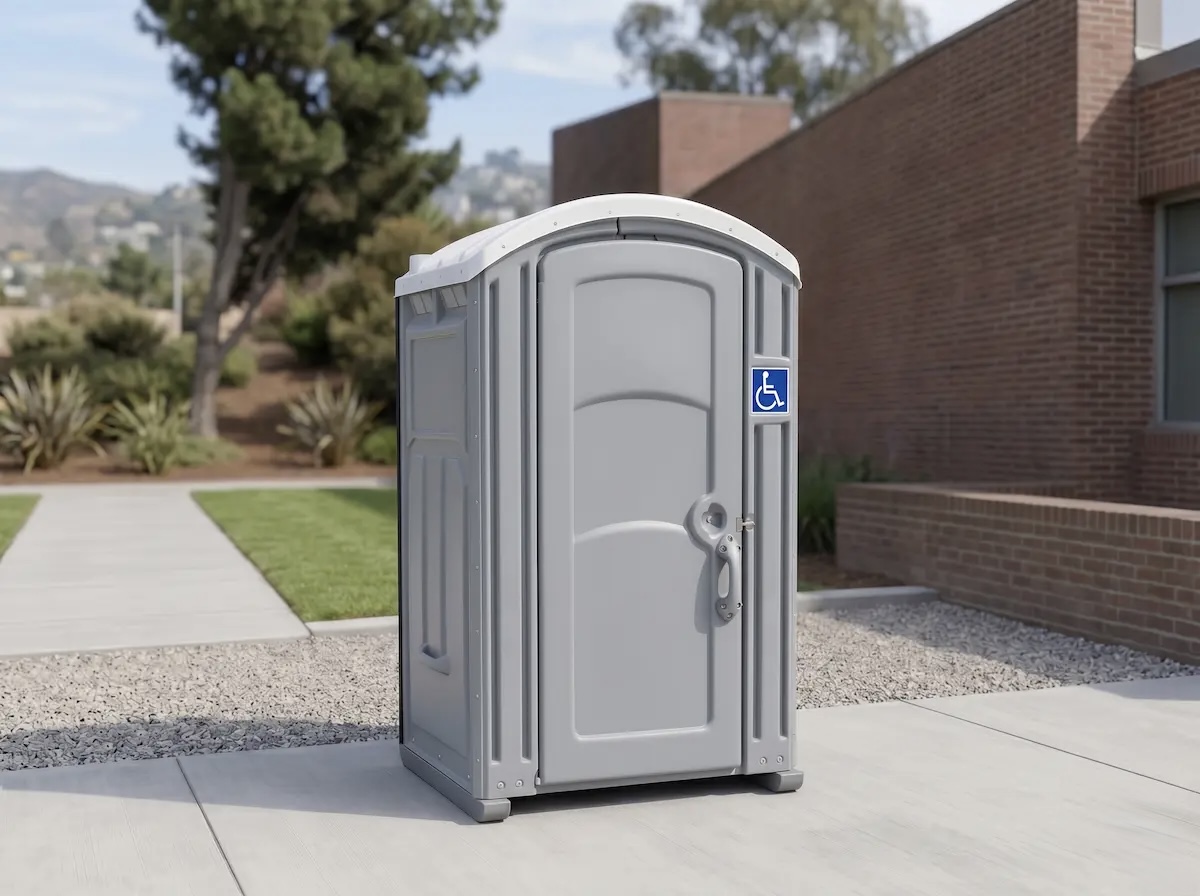
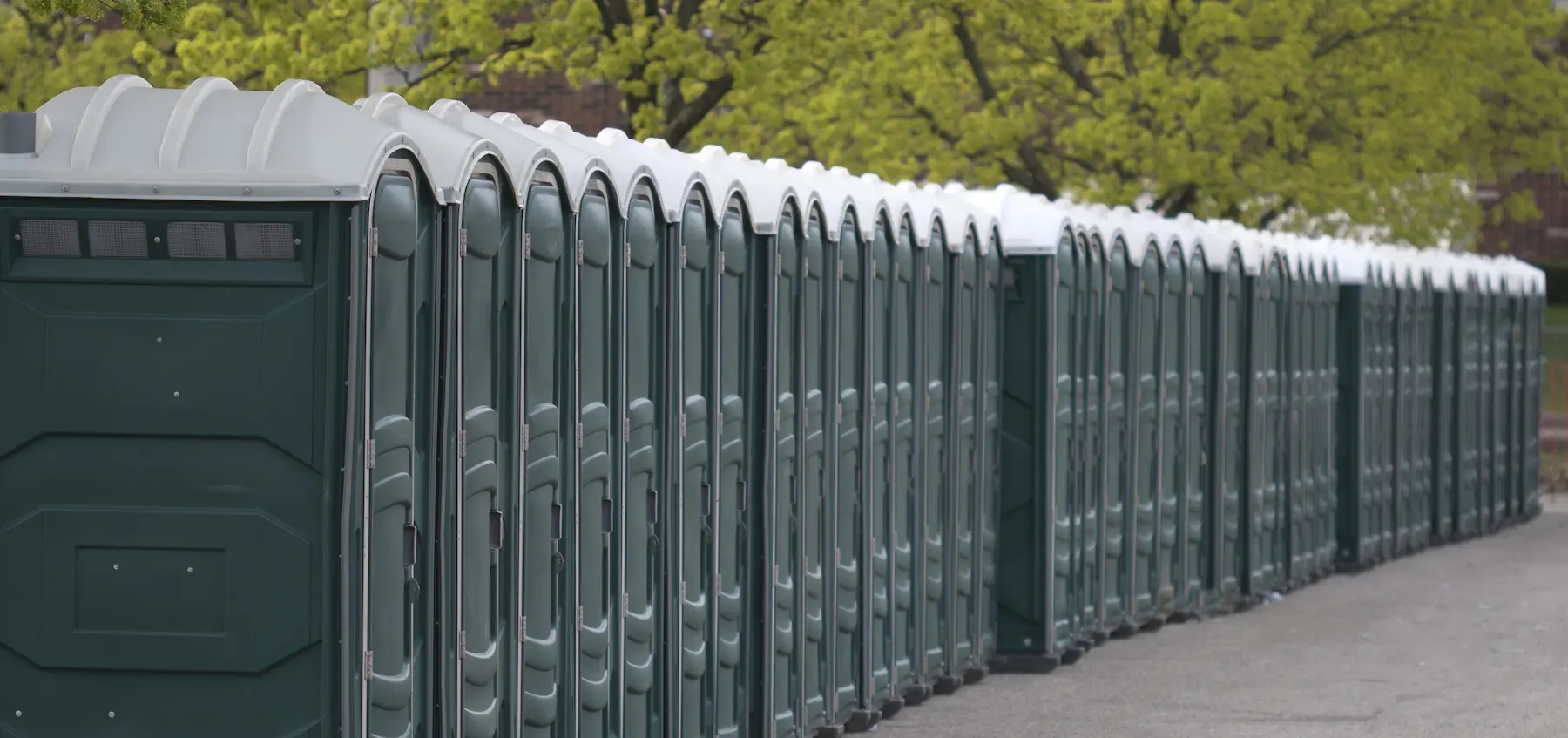
See the full sizing guide and compliance tables on the main Portable Toilets page →
Built for Seattle portable toilet rental needs: construction sites, outdoor events, and residential projects.
Site Compliant. Washington L&I Unit Count Verified. Crew Walked Onto a Legal Site.
Seattle's active construction market, South Lake Union's tech campus buildouts, SoDo industrial conversions, and Capitol Hill urban infill all put estimators under pressure to move fast. The problem is that Washington's WAC 296-155-140 sanitation table requires more units per crew than Oregon's standard, and most vendors quote the Oregon table by default. A crew of 25 on an Oregon site needs 1 unit. The same crew on a Seattle site requires 2. A crew of 40 in Oregon needs 2 units. In Washington, it requires 3. An under-toileted site is a WA L&I citation, and inspectors do not give advance notice.
RHC quotes unit counts against the actual WAC 296-155-140 table, reviews your site footprint for SDOT permit requirements, and delivers on a confirmed window before your crew arrives.
Site cleared WA L&I review. Unit count was right from day one. You never pulled out the compliance table.
All-Gender Compliant. ADA Count Met. King County Health Sign-Off Before Your First Guest Arrives.
Seattle's outdoor event season runs May through September, and the compliance requirements are specific to this market. Gas Works Park, Cal Anderson, and Seattle Center events require a Special Event Permit with a reviewed sanitation plan. SMC 14.07.010 requires all single-occupant restrooms to be all-gender. Units with gendered signage put your permit at risk. If your event serves food, King County health requires hot and cold running water within 200 feet of food service areas, which means pairing standard units with a heated handwashing station.
RHC delivers gender-neutral units as standard, confirms your ADA unit count against the 5% Seattle event minimum before booking, and includes heated handwashing stations as a standard add-on for food service events. You submit a compliant sanitation plan to the Special Events Committee, not a problem to resolve after the permit is issued.
Sanitation plan approved on first submission. All-gender units, ADA count confirmed, handwashing for food service. Nothing flagged by the committee.
Unit On Site. Service Window Inside Seattle Ordinances. No Calls From the Neighbors.
Seattle's dense residential neighborhoods create a problem that open-lot suburban markets do not have. Service vehicles that arrive before permitted work hours trigger neighbor complaints and, on repeat offenses, city code enforcement. One Seattle vendor was reported three times over five years for servicing units on residential blocks at 5:30 and 6:00 a.m., before the hours Seattle ordinances allow. On a six-week remodel in Ballard, Fremont, or the Central District, one incident is manageable. A pattern follows your company to the next permit application.
RHC schedules service within Seattle's permitted work hours for residential placements. One delivery window confirmed at booking. If anything changes before your window, you hear from RHC first.
Unit delivered, serviced on schedule, removed when done. No ordinance complaints. No neighbor escalations.
Why Seattle sites and events book porta potty rentals through RHC instead of whoever answers the phone first.
The pattern in nearly every 1-star portable toilet review in Seattle follows the same script: the vendor was reachable at quote time and unreachable for everything after. No compliance guidance, no confirmed delivery window, a unit count that failed a WA L&I inspection because no one checked the actual Washington table. RHC was built around all three of those failures.
Every Booking Confirmed. Every Delivery on a Hard Window.
Seattle timelines do not have slack for a vendor who disappears between the quote and delivery day. Every RHC booking includes a three-step confirmation: site review, permit flag, and written delivery window. You receive all three before the job is booked. If anything changes before your window, you hear from RHC first, not after you have been waiting.
Unit Counts Quoted Against the Actual Washington L&I Table.
Most vendors in this market quote one unit per 20 workers, which is Oregon's standard. Washington uses a stricter tiered system under WAC 296-155-140. A crew of 12 requires 2 units in Washington. A crew of 30 requires 3. An under-toileted site is a WA L&I citation with no advance warning from the inspector. Every RHC quote for a Seattle construction site is checked against this table before it is sent.
| Crew Size | Oregon (1 per 20) | Washington WAC 296-155-140 |
|---|---|---|
| 1 to 10 workers | 1 unit | 1 unit |
| 11 to 25 workers | 1 unit | 2 units |
| 26 to 40 workers | 2 units | 3 units |
| 41 to 60 workers | 3 units | 4 units |
| 61 to 80 workers | 4 units | 5 units |
| Over 80 workers | 1 per 20 | 1 per 20 |
Source: WAC 296-155-140 (Washington L&I). Multi-shift sites require proportionally more units under both state standards.
Seattle Compliance Knowledge Built Into Every Quote.
Most vendors deliver units. They do not know whether your Capitol Hill job site needs an SDOT Street Use Permit before the unit goes in the parking lane, or whether your Gas Works Park event requires all-gender signage under SMC 14.07.010. RHC reviews your site footprint and event details at booking and tells you what applies before delivery day. No permit violations discovered on site. No enforcement notices after the event.
Questions about portable toilet rentals in Seattle, WA.
Everything you need before you book. Need something not covered here? Drop it in the form or call RHC directly.
Q.01How much does it cost to rent a porta potty in Seattle?
Q.02How many portable toilets do I need on a Seattle construction site?
Q.03Do I need a permit to place a porta potty on the street in Seattle?
Q.04What is Seattle's all-gender restroom requirement for events?
Q.05Do I need handwashing stations if my Seattle event has food vendors?
Q.06How many ADA units does a Seattle event require?
Q.07How much is a portable toilet per day?
Q.08What can I use instead of a porta potty at a Seattle job site or event?
Q.09Where does the waste from a Seattle porta potty rental go?
Ready to get compliant portable toilets
on your Seattle site?
Submit your project details and RHC will come back with a confirmed quote the same day. Construction or events, standard or ADA, South Lake Union high-rise or Gas Works Park festival. WA L&I unit count reviewed and SDOT permit requirements flagged before the truck rolls.
The quote RHC sends is the number on your invoice. No fuel surcharges. No line items added after delivery.