Temporary Fencing Rental in Seattle, WA
The fence is up before your crew arrives. The inspector walks the perimeter and keeps moving. In Seattle, that requires confirming SDOT permit status before a delivery is scheduled. Most vendors skip this step. RHC makes it the first one.
Do you need a permit for temporary fencing in Seattle?
The answer depends on where the fence is going. Below is the full breakdown for private property, public right-of-way, Seattle Parks venues, construction sites, and King County projects.
Fence stays on private property: no permit required. A temporary fence placed entirely within your property line, job site, or private lot with no sidewalk, alley, or ROW contact does not require a city permit. This covers interior job sites, private event venues, and residential projects set back from the street. WA L&I DOSH site safety standards still apply on any active construction site.
Fence in or over public right-of-way: SDOT Street Use Permit required. Any fencing that occupies or overhangs public right-of-way, including sidewalks, parking lanes, and alleys, requires a Street Use Permit from the Seattle Department of Transportation. Processing runs 3 to 5 business days through the Seattle Services Portal. Downtown and Capitol Hill metered zones may incur a Lost Paid Parking (LPP) fee. RHC reviews your site address at booking and flags ROW contact before delivery is scheduled, not after.
Events at Seattle Parks facilities: Special Event Permit required. Fencing at Gas Works Park, Cal Anderson, Seattle Center, Myrtle Edwards Park, or any Seattle Parks and Recreation facility requires a Special Event Permit from Seattle Parks and Recreation. Fencing footprint and anchor method are reviewed as part of the application. RHC confirms Seattle Parks permit status before scheduling delivery to any public venue.
Construction sites in Washington State: WA L&I DOSH compliance required. Washington State's Division of Occupational Safety and Health (DOSH), administered by WA L&I, governs construction site safety fencing standards under WAC 296-155. Panels sourced for Seattle construction sites meet DOSH requirements. Non-compliant fencing is citable and a DOSH inspection trigger. RHC confirms your panel and installation configuration meets WA L&I standards at the time of quote.
Projects outside Seattle city limits: King County rules apply. For projects in unincorporated King County outside Seattle city limits, permit requirements are governed by King County rather than SDOT. RHC confirms your project jurisdiction at the time of quote and identifies the correct permitting authority before delivery is scheduled.
Note your placement location on the quote form. RHC will identify any SDOT, Seattle Parks, or King County permit requirements specific to your site before delivery day.
Temporary fence options for Seattle job sites and events.
Two primary systems cover the full range of Seattle construction sites, events, and residential applications. The right choice depends on your surface, rental duration, and wind exposure.
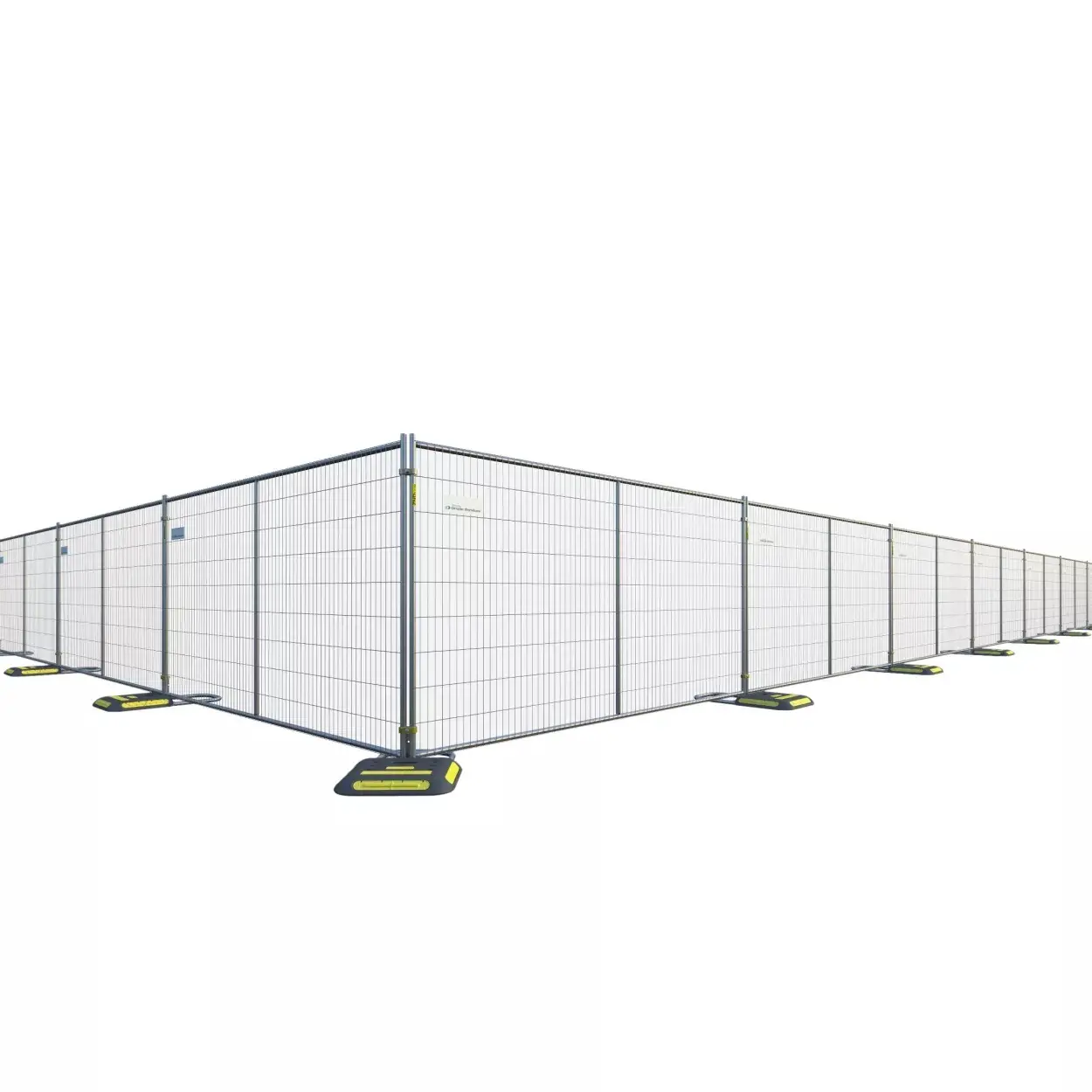
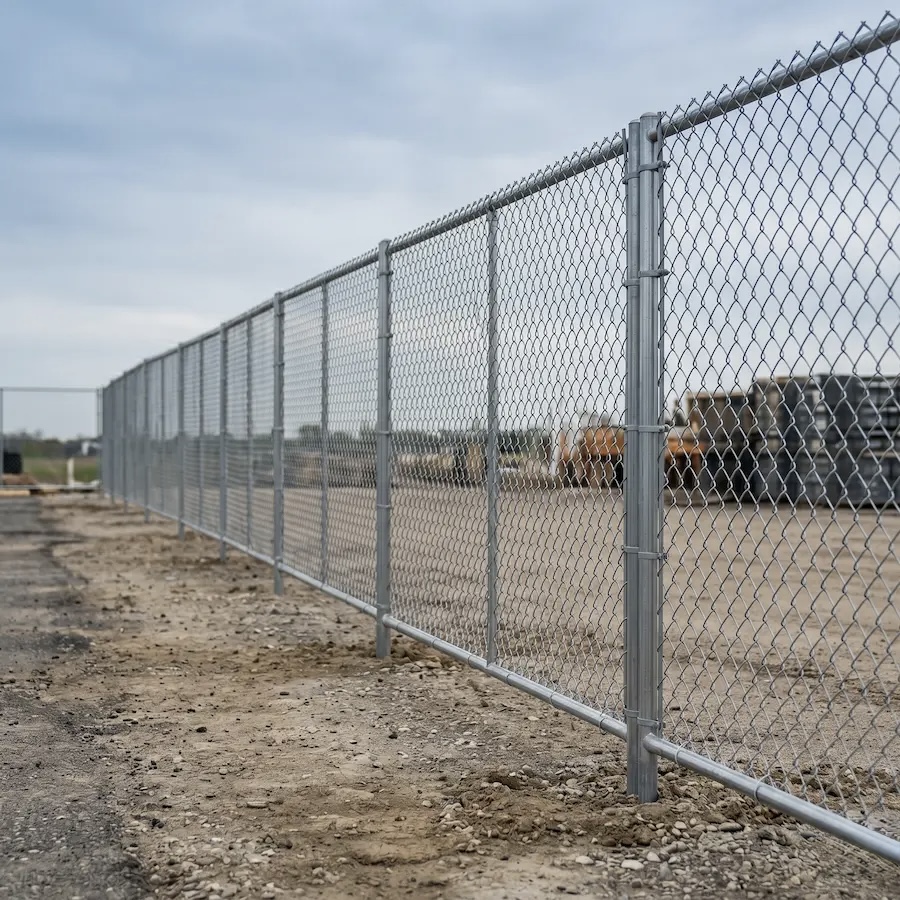
Add-ons available: privacy windscreens · water-filled base upgrade (approx. 600 lbs filled) · man gates (4 ft W × 7 ft H) · vehicle gates
See full specifications and configurations on the main Temporary Fencing page →
Built for Seattle construction sites, outdoor events, and residential renovations.
Fence Up. SDOT Permit Confirmed. Inspector Walks Past.
South Lake Union, SoDo, Capitol Hill. Dense construction corridors in Seattle share sidewalks, parking lanes, and pedestrian corridors with foot traffic that does not stop for construction. Any perimeter that contacts public right-of-way in these neighborhoods requires an SDOT Street Use Permit. Most fence vendors do not check before scheduling delivery.
The failure pattern is consistent: vendor delivers panels, skips the ROW permit review, and the GC finds out when SDOT flags the site. By then, the project is behind schedule and the vendor is not answering the phone.
RHC reviews your site address and project scope before quoting. If your perimeter touches public ROW, that triggers an SDOT Street Use Permit review at booking. Panels sourced for Seattle construction sites meet DOSH requirements under WAC 296-155. Written delivery window confirmed before the crew is on site.
Site compliant. Perimeter secured. SDOT permit confirmed before delivery day.
Perimeter Standing Before the First Attendee Arrives.
Gas Works Park, Seattle Center, Myrtle Edwards, waterfront festivals. Every Seattle park venue has specific access routes, anchor restrictions, and Special Event Permit requirements that determine where fence can go and how it gets installed. Vendors working across multiple markets do not track these venue-by-venue details.
Event day is a hard deadline. When the vendor does not show or panels arrive two hours late, there is no recovery option. Just an open perimeter and a crowd about to walk in.
RHC confirms Seattle Parks permit status before scheduling, maps the access route for the specific venue, and provides a hard installation window. The fence is installed and confirmed before your crew opens the gates.
Perimeter locked. Event ran clean. Every gate where it was supposed to be.
Clean Perimeter. Neighbors See Order. Nobody Calls.
Ballard, Fremont, Capitol Hill, Central District. ADU builds, full teardown-rebuilds, and major renovation projects in Seattle's densest neighborhoods sit close to the sidewalk and closer to the neighbors. An unsecured work zone takes one day to become a complaint filed with the city or an HOA notice.
RHC checks whether your project footprint requires an SDOT permit before quoting. If your work zone is near the sidewalk line, that is flagged and handled up front. Fence is delivered on a confirmed window and picked up on schedule.
Work zone secured. HOA drove by without stopping. Project closed clean.
Why Seattle contractors and event coordinators work with RHC.
The pattern in nearly every temporary fencing complaint in Seattle is the same: vendor reachable at quote time, unreachable for the installation window. No permit review. No confirmed delivery time. An invoice that did not match the number approved. RHC was built around all three of those failures.
Permit Review Before Every Seattle Delivery
RHC reviews your project address before quoting. If delivery touches public ROW, that triggers an SDOT Street Use Permit review at booking. If your event is at a Seattle Parks venue, Special Event Permit status is confirmed before the delivery window is set. This step happens before scheduling, not after a problem surfaces on installation day.
Written Delivery Window. Fixed Quote.
The two complaints that appear most in temporary fencing reviews: the vendor stopped responding after the initial call, and the invoice was higher than the quote. RHC provides a written delivery window confirmed at booking and a fixed quote. The number on the quote is the number on the invoice. No fuel surcharges. No line items added after installation.
Equipment Matched to Seattle Conditions
Puget Sound waterfront sites, exposed ridgeline projects in South Lake Union and the Hill neighborhoods, and high-traffic event footprints benefit from heavier base configurations than a standard rubber-base panel provides. Water-filled base upgrade is available for wind-exposed applications. Each base weighs approximately 600 lbs when filled. All panels sourced for Seattle construction sites meet WA L&I DOSH standards under WAC 296-155.
Questions about temporary fencing rentals in Seattle, WA.
Everything you need before you book. Need something not covered here? Drop it in the form or call RHC directly.
Q.01Do I need a permit for a temporary fence in Seattle?
Q.02What is the difference between panel fencing and post-driven chain link?
Q.03Can temporary fencing hold up to Seattle's weather?
Q.04Should I use a windscreen on my job site?
Q.05How much does temporary fencing cost in Seattle?
Q.06Does Home Depot rent temporary fences?
Q.07My general contractor already has a fence vendor. Why get a quote from RHC?
Ready to get temporary fencing
on your Seattle site?
Tell us your site address, estimated linear footage, and rental window. RHC reviews the project, flags any SDOT or DOSH requirements, and sends a fixed quote the same day. No commitment. The quote is the number on your invoice.